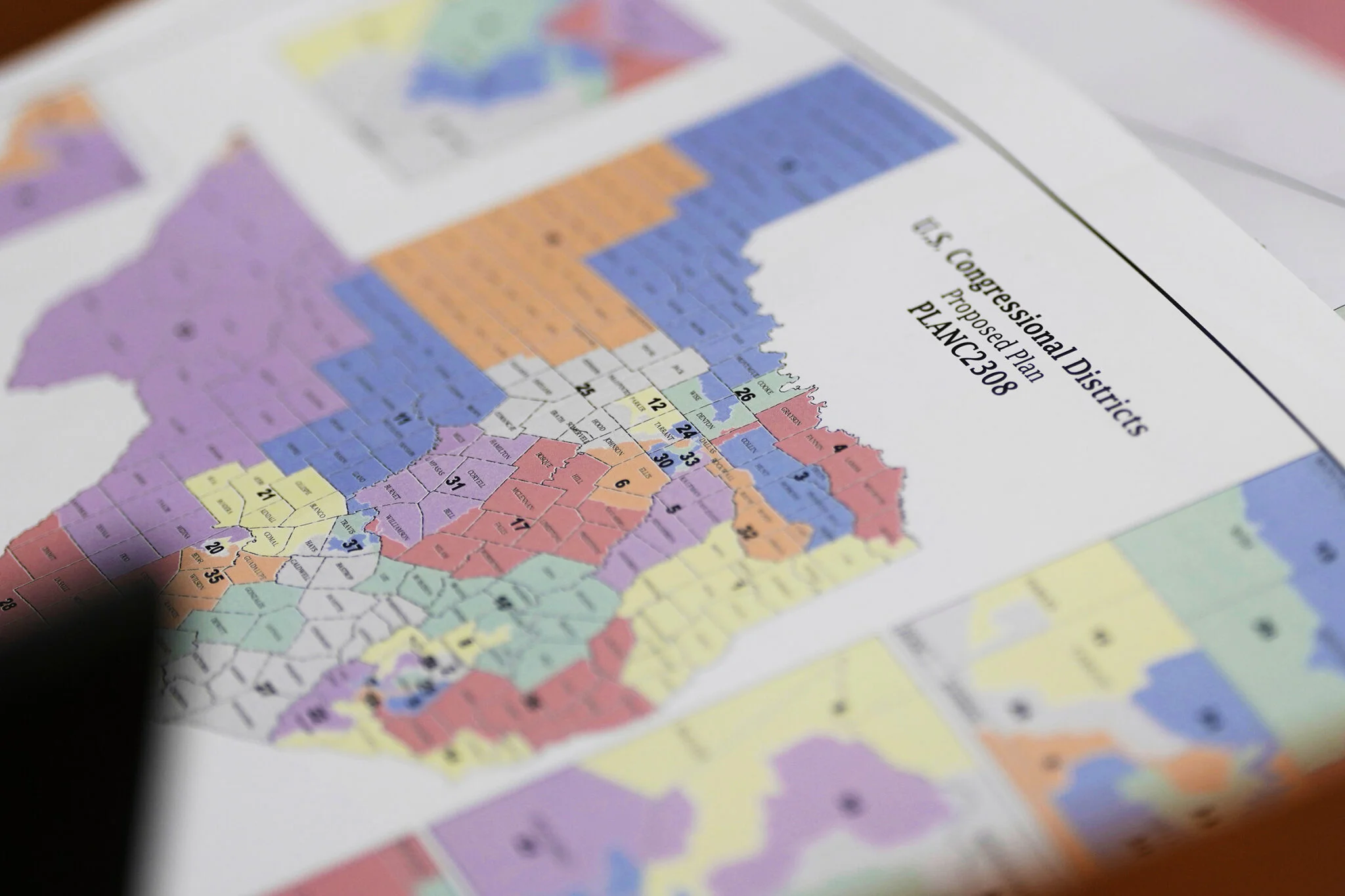
The dispute over Texas’s congressional map escalates as the Supreme Court prepares to rule on the legality of the state’s new district lines. The new map was created just a few years after the 2020 Census and deviates from the typical ten-year redistricting cycle.
The Republican-controlled legislature aims to increase its share of congressional seats. Critics argue the map weakens the electoral influence of minority communities by redrawing district boundaries in a way that could dilute their votes, raising questions about compliance with constitutional protections against racial discrimination.
What the federal court said about race and voting power
A federal panel of three judges invalidated the map, determining that race was the primary factor in the drawing of several districts. The court concluded that the map likely reduces the voting strength of Black and Latino populations, which may violate the Constitution’s Equal Protection Clause.
Consequently, the court ordered Texas to revert to the previous map unless an appellate court decides otherwise before key electoral deadlines in 2026. This decision highlights the ongoing complexities in balancing political redistricting with federal voting rights protections.
Why the Supreme Court is involved
Texas has filed an emergency appeal requesting a stay of the lower court’s ruling to permit use of the new map in the 2026 primaries. This appeal raises important legal questions about the extent to which race can be considered in redistricting processes without infringing constitutional rights.
The Supreme Court’s forthcoming decision is expected to clarify legal boundaries for all states regarding mid-decade redistricting and considerations of race, potentially influencing future electoral map-making nationwide.
The broader national voting rights case
Simultaneously, the Supreme Court is reviewing a separate case from Louisiana regarding the Voting Rights Act. This case addresses how Section 2 of the Act applies when race is used to ensure minority voters can elect candidates of choice.
Some justices have indicated potential support for narrowing these protections, a position opposed by civil rights groups who argue that such limits would diminish minority voting power nationally. Together, these cases raise significant legal questions about voting rights, racial equity, and political representation in the United States.
Implications for the 2026 elections
The Supreme Court’s decisions in these matters will affect electoral maps across multiple states for the 2026 midterm elections. Should the court limit the role of race in redistricting, several Republican-led legislatures could redraw districts that currently favor Democrats, influencing the partisan balance in Congress. The outcomes will not only impact Texas but will also have broader effects on the composition of the U.S. House of Representatives.
The debate over race and political strategy
Supporters of the Texas map argue that it was motivated by legitimate political objectives and complies with current legal standards. They assert that mid-decade redistricting is a reasonable response to demographic and political changes. Opponents contend that race predominated in district design, diluting minority voting power and violating legal protections. This debate reflects the complex intersection of legal, political, and civil rights issues in American electoral processes.
What comes next
With critical election deadlines approaching, the Supreme Court is expected to issue a prompt ruling on Texas’s emergency request. A broader decision on the Louisiana Voting Rights Act case is anticipated by mid-2026.
Meanwhile, states nationwide continue to monitor these cases closely as they evaluate potential adjustments to their own redistricting plans. These judicial rulings are poised to significantly influence electoral districting, minority voting rights, and the political balance across the country.
Contact us today through our WhatsApp to discover how we can help you achieve success in the United States.