As 2026 begins, America’s national parks, including the Grand Canyon and Yellowstone, will introduce new fees for visitors. United States residents will keep paying affordable rates, while international visitors will face significantly higher costs. This change is aimed at covering growing maintenance needs alongside rising visitation.
Why the new fees
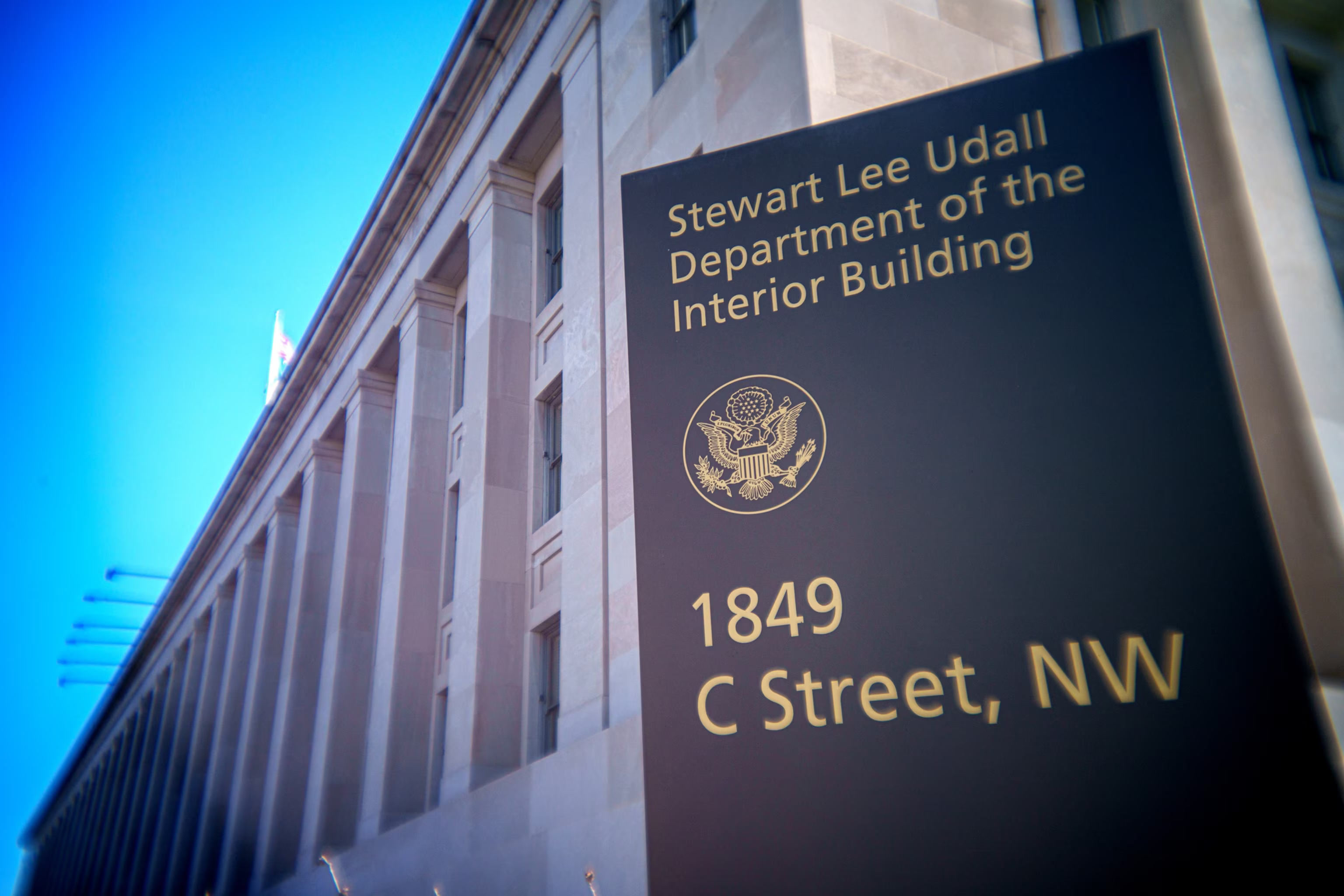
The Department of the Interior wants to keep parks affordable for American taxpayers who fund their upkeep while asking international visitors to contribute more. Charging non-residents higher fees helps balance preservation efforts with public access amid increased costs.
How the new system works
International visitors will see annual passes increase from $80 to $250 and pay an additional $100 fee at 11 popular parks if they lack a pass. Digital passes will simplify entry by allowing visitors to purchase and display passes on mobile devices, covering two motorcycles per pass. The extra funds will support maintenance and improvements to keep parks welcoming and well-preserved.
Who benefits
American taxpayers will continue to enjoy affordable access and improved services, while international visitors bear higher costs.
These changes may affect travel choices and perceptions of US parks. There is concern that the “America-first” pricing might limit cultural exchange through tourism. Balancing sustainable funding with access remains a challenge.
Looking ahead
With the new fee system, the question is how parks will continue welcoming visitors worldwide while effectively managing resources and preserving nature. Future visitor experiences will show the effects of these changes.
Contact us today through our WhatsApp to discover how we can help you achieve success in the United States.
Sources: USA Today | U.S. Department of the Interior | The Wall Street Journal